
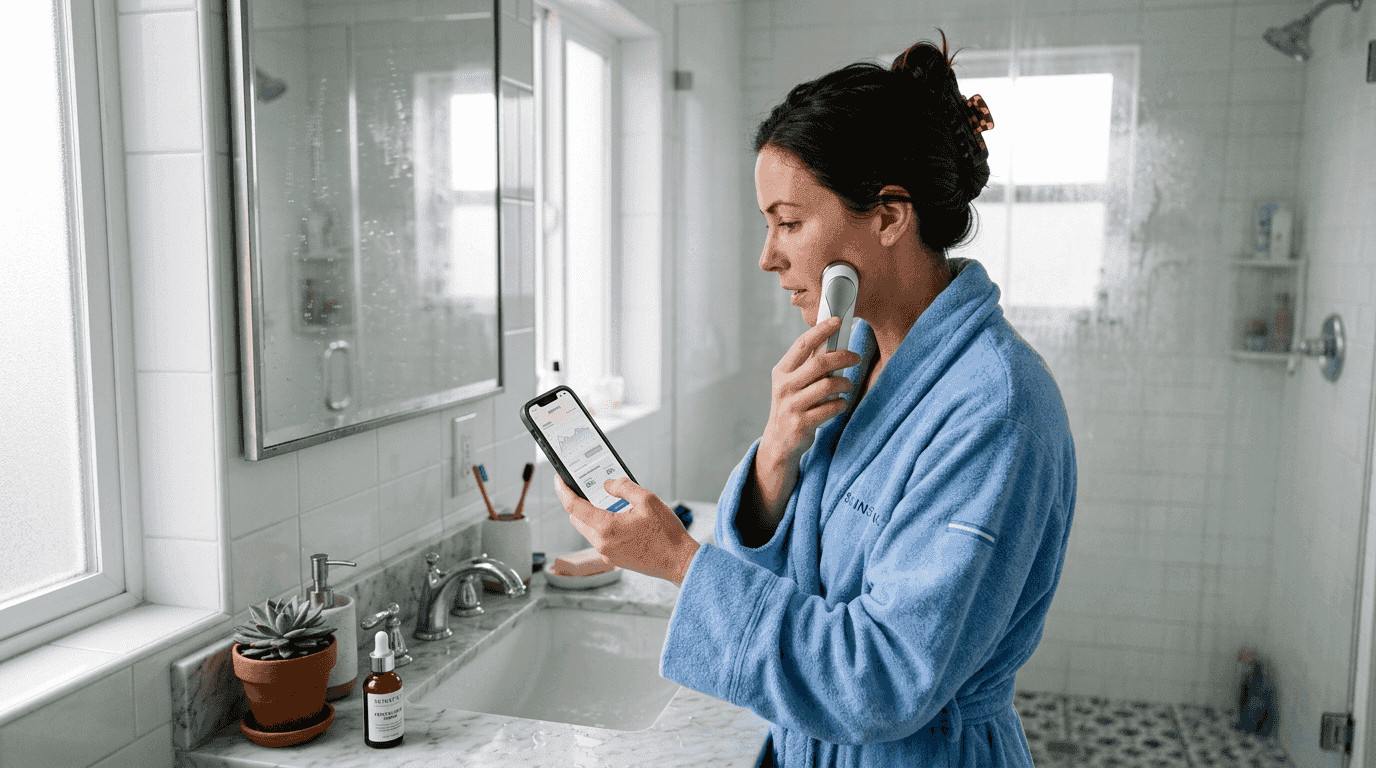
Smart beauty devices have evolved from novelty gadgets to sophisticated tools that deliver clinical-grade results in your home. Electronic skin technology now enables wearables that interact seamlessly with your body, while AI-powered diagnostics rival professional assessments. Yet many consumers still underestimate these innovations or expect overnight miracles. This guide cuts through the hype to reveal what smart devices can genuinely achieve, which technologies deliver proven results, and how to integrate them into your routine for visible skin health improvements without unrealistic expectations.
Table of Contents
- The Evolution Of Smart Devices In Beauty Technology
- How Ai Is Transforming Precision And Personalization In Skincare Devices
- Comparing Popular Smart Beauty Devices: Clinical Evidence And Benefits
- Maximizing Results With Smart Devices: Practical Tips And Realistic Expectations
- Discover Premium Smart Beauty Devices At Velmora
- Frequently Asked Questions
Key takeaways
| Point | Details |
|---|---|
| Clinical-grade tech at home | Smart devices now integrate professional-level sensors and AI for advanced skincare treatments you control. |
| AI drives personalization | Artificial intelligence analyzes your skin condition and customizes treatment intensity, duration, and ingredient delivery. |
| Evidence-based efficacy | LED masks show clinically proven wrinkle reduction while HIFU devices vary significantly in skin tightening results. |
| Realistic expectations matter | At-home microcurrent tools improve tone gradually but deliver less dramatic lifting than in-office professional treatments. |
| Consistency drives results | Regular use following manufacturer guidelines maximizes benefits and prevents disappointment from sporadic application. |
The evolution of smart devices in beauty technology
The beauty industry crossed a threshold when electronic skin technology began mimicking human skin properties, creating wearables that monitor health metrics and deliver targeted treatments. This breakthrough enabled devices that don't just sit on your face but actively communicate with your skin's unique needs. CES 2026 beauty tech launches showcased this shift dramatically, bringing clinical-grade innovations from dermatology offices into retail spaces and living rooms.
Smart beauty devices now combine multiple technologies in single platforms:
- Advanced sensors that measure moisture levels, elasticity, and inflammation markers
- AI algorithms that interpret skin data and adjust treatment parameters in real time
- Wearable components that conform to facial contours for consistent contact and energy delivery
- Mobile apps that track progress, send reminders, and refine protocols based on your results
This convergence challenges the traditional assumption that professional treatments remain forever out of reach for home users. You gain access to technologies once reserved for high-end spas, with the added advantage of ongoing monitoring rather than occasional appointments. The convenience factor transforms sporadic professional visits into daily precision care.
Data-driven customization represents the most significant departure from conventional skincare routines. Instead of applying the same serum every morning regardless of how your skin behaves, smart devices assess current conditions and modify treatment intensity accordingly. Your skin responds differently based on stress, sleep, diet, and environmental factors. Adaptive technology accounts for these variables automatically.
"The integration of clinical-grade beauty technology into consumer devices marks a fundamental shift in how we approach skin health, moving from reactive treatments to proactive, personalized maintenance."
This evolution benefits you through reduced costs over time, elimination of travel to appointments, and the ability to address concerns immediately when they appear rather than waiting for scheduled visits. Smart devices democratize access to advanced skincare while maintaining the precision that professional treatments demand.
How AI is transforming precision and personalization in skincare devices
Artificial intelligence elevates smart beauty devices from programmable tools to adaptive systems that learn your skin's patterns and optimize treatments accordingly. AI in beauty device innovation drives advances across diagnostics, ingredient delivery, and efficacy tracking, creating personalized protocols that evolve as your skin changes.
AI-powered skin assessment begins with image analysis that identifies concerns invisible to the naked eye. Cameras capture high-resolution photos under controlled lighting, while algorithms detect early signs of aging, pigmentation irregularities, and texture changes. This diagnostic precision helps you address issues before they become visible problems, shifting from reactive to preventive care.
Personalization extends beyond initial assessment to ongoing treatment refinement:
- Devices adjust microcurrent intensity based on muscle tone and response patterns
- LED therapy protocols modify wavelength combinations for your specific concerns
- Ultrasound treatments calibrate energy levels to skin thickness and sensitivity
- Serum infusion systems regulate ingredient penetration depth and concentration
Pro Tip: Review your device's app data weekly to identify patterns in how your skin responds to different settings, then adjust your routine during high-stress periods or seasonal changes for optimal results.
Machine learning algorithms analyze data from previous sessions to predict which protocols will deliver the best outcomes for your unique skin profile. If your skin shows stronger response to certain wavelengths or treatment durations, the system prioritizes those parameters in future sessions. This eliminates the guesswork that plagues traditional skincare routines.
Real-time feedback during treatments represents another AI advantage. Sensors monitor skin temperature, hydration, and electrical conductivity, automatically pausing or adjusting if readings fall outside safe ranges. You gain the safety oversight of a trained professional without needing constant supervision.
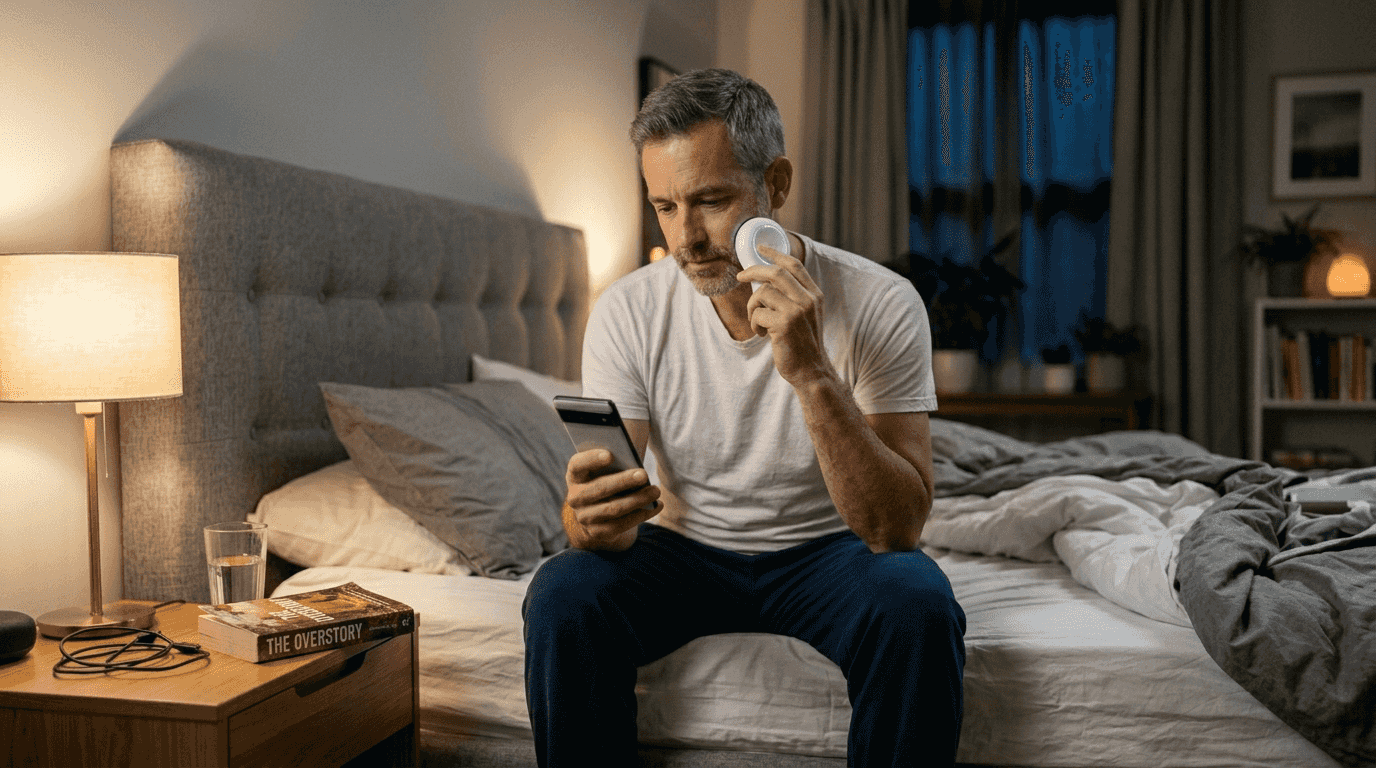
Progress tracking through AI-powered apps provides objective measurements that confirm whether your routine delivers results. Weekly photos processed through consistent algorithms reveal subtle improvements that mirrors might miss, helping you stay motivated and adjust strategies when progress stalls. This data-driven approach replaces subjective assessments with quantifiable metrics.
Comparing popular smart beauty devices: clinical evidence and benefits
Understanding which devices deliver proven results helps you invest wisely and set appropriate expectations for your skincare journey. Clinical studies reveal significant performance differences across technologies and brands, guiding you toward solutions that match your specific goals.
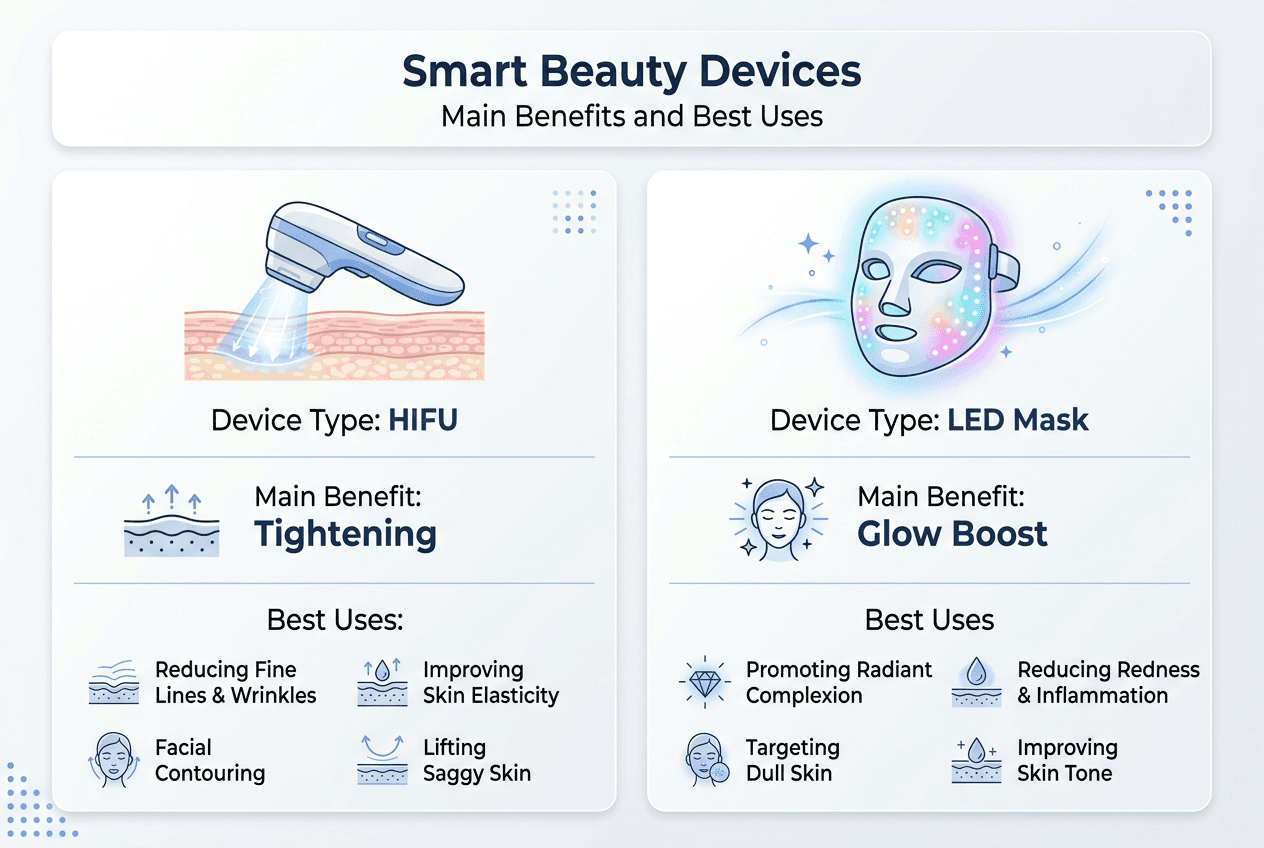
High-Intensity Focused Ultrasound devices show varying efficacy in skin tightening and wrinkle reduction. HIFU devices clinical study data demonstrates that the More Young system achieves superior wrinkle reduction compared to 7D alternatives, with higher patient satisfaction scores. The focused ultrasound energy penetrates deeper skin layers to stimulate collagen production, but device quality significantly impacts results.
| Device Type | Primary Benefits | Clinical Evidence | Best For |
|---|---|---|---|
| HIFU (More Young) | Wrinkle reduction, skin tightening | Superior results vs. 7D systems in comparative trials | Moderate to deep wrinkles, skin laxity |
| LED Therapy (TheraFace) | Improved firmness, reduced fine lines, enhanced radiance | 12-week study shows measurable improvements across multiple skin health factors | Overall skin quality, anti-aging maintenance |
| Microcurrent Devices | Mild lifting, improved circulation, toned appearance | Gradual benefits for maintenance, less dramatic than professional treatments | Daily upkeep, subtle enhancement |
| Ultrasonic Cleansing | Deep pore cleaning, enhanced product absorption | Removes debris manual cleansing misses | Congested skin, maximizing serum efficacy |
LED light therapy delivers clinically validated improvements across multiple skin concerns. TheraFace Mask Glo clinical study results from a 12-week trial demonstrate measurable enhancements in wrinkle depth, skin firmness, and overall tone. Different wavelengths target specific issues: red light stimulates collagen synthesis, blue light addresses acne-causing bacteria, and near-infrared penetrates deeper for anti-inflammatory effects.
Microcurrent technology offers more modest but consistent benefits for skin tone and facial contour. Microcurrent device effectiveness research indicates these tools work best for maintenance and gradual improvement rather than dramatic transformation. The low-level electrical currents stimulate facial muscles and boost circulation, creating a subtle lifting effect that accumulates over time with regular use.
Pro Tip: Match device selection to your primary concern rather than seeking an all-in-one solution, as specialized technologies typically outperform multi-function devices for specific issues like deep wrinkles or acne.
Understanding these evidence-based differences prevents disappointment from mismatched expectations. HIFU devices excel at structural improvements in skin laxity, LED therapy enhances overall skin health and radiance, while microcurrent tools maintain muscle tone and circulation. Selecting the right technology for your goals maximizes satisfaction and results.
Maximizing results with smart devices: practical tips and realistic expectations
Integrating smart beauty devices effectively requires understanding their capabilities, committing to consistent use, and recognizing when professional intervention offers better solutions for your concerns. Strategic implementation transforms these tools from expensive gadgets into valuable skincare investments.
Set realistic timelines for visible improvements. Using microcurrent devices effectively requires understanding that at-home tools work best for mild improvements and maintenance rather than dramatic changes. Expect gradual enhancement over 8 to 12 weeks with consistent use, not overnight transformation. This mindset prevents frustration and helps you appreciate subtle progress.
Follow these steps to optimize your smart device routine:
- Start with clean, properly prepared skin to ensure maximum energy transfer and product penetration during treatments.
- Use devices at recommended frequencies without exceeding guidelines, as overuse can cause irritation without accelerating results.
- Combine device treatments with quality skincare products formulated to enhance their effects, such as conductive gels for microcurrent or targeted serums before LED therapy.
- Track your progress with consistent lighting and angles in progress photos, allowing AI analysis to detect changes you might miss visually.
- Adjust treatment intensity gradually as your skin builds tolerance, starting conservative to minimize adverse reactions.
- Schedule periodic professional consultations to assess whether your at-home routine addresses your concerns adequately or requires supplemental treatments.
Consistency matters more than intensity for long-term results. Missing sessions disrupts the cumulative benefits that smart devices provide through regular stimulation of cellular processes. Build treatments into your daily routine like brushing your teeth rather than treating them as optional luxuries you skip when busy.
Pro Tip: Set device reminders for the same time each day and prepare your treatment area in advance with products and clean towels, eliminating friction that leads to skipped sessions.
Recognize when professional treatments offer better value for specific goals. Professional treatments remain the gold standard for immediate or pronounced results that at-home devices cannot replicate. Severe acne scarring, significant skin laxity, or deep wrinkles typically require in-office procedures with higher energy levels and professional monitoring. Smart devices excel at maintaining professional treatment results and addressing mild to moderate concerns.
Support your device routine with fundamental skin health practices. No technology compensates for inadequate sun protection, poor hydration, or inflammatory diets. Smart devices amplify good skincare habits but cannot overcome consistently damaging behaviors. This holistic approach maximizes your investment and accelerates visible improvements.
Discover premium smart beauty devices at Velmora
Ready to elevate your skincare routine with the innovations discussed throughout this guide? Velmora curates a selection of cutting-edge premium beauty devices & skincare that bring professional-grade technology into your home. Our collection features clinically backed tools incorporating the latest AI diagnostics, LED therapy systems, and precision delivery mechanisms designed for visible skin health improvements.
Explore devices that combine multiple treatment modalities in sophisticated platforms, offering the personalization and data-driven insights that transform sporadic skincare into strategic skin health management. Each product undergoes rigorous evaluation to ensure it meets the standards for efficacy, safety, and user experience that beauty-conscious consumers demand. Discover how the right smart device can complement your routine and deliver the sculpted, glowing skin you deserve.
Frequently asked questions
What smart devices are best for at-home skin rejuvenation?
HIFU device efficacy studies show the More Young system provides notable wrinkle reduction and skin tightening superior to alternative ultrasound devices. LED mask clinical results demonstrate that TheraFace products improve skin radiance, firmness, and fine lines through clinically validated 12-week protocols. Microcurrent tools work best for maintenance and mild circulation boosts rather than dramatic lifting. Your choice should align with your primary concern, whether that's structural tightening, overall skin quality enhancement, or daily toning maintenance.
Are at-home microcurrent devices as effective as professional treatments?
Microcurrent device effectiveness research confirms these tools provide mild improvements and maintenance benefits but deliver less power than professional treatments. They excel at maintaining skin tone, boosting circulation, and providing subtle lifting effects through consistent use. However, they cannot replicate the intensity or immediate results of in-office procedures. Consider at-home microcurrent devices as excellent tools for gradual enhancement and routine upkeep between professional sessions rather than replacements for clinical treatments.
How important is consistent use for smart beauty devices' results?
Consistent, recommended use is absolutely essential to see meaningful skin improvements with any smart device technology. These tools work by stimulating cumulative cellular processes like collagen production, muscle toning, and cellular turnover that require regular activation to build momentum. Irregular or improper use significantly reduces effectiveness because you never allow these biological processes to establish sustained patterns. Think of smart devices like exercise routines where sporadic effort delivers minimal results compared to disciplined consistency.
Can smart beauty devices replace professional skincare treatments?
At-home devices are excellent for maintenance and mild to moderate improvement, but they cannot fully replace professional treatments for all concerns. Professional skincare treatments remain the gold standard for immediate or pronounced results, particularly with severe skin laxity, deep wrinkles, or significant pigmentation issues. Smart devices work best as complementary tools that extend professional treatment benefits and address everyday concerns. Use them to maintain results between clinical visits and prevent minor issues from escalating to levels requiring professional intervention.