
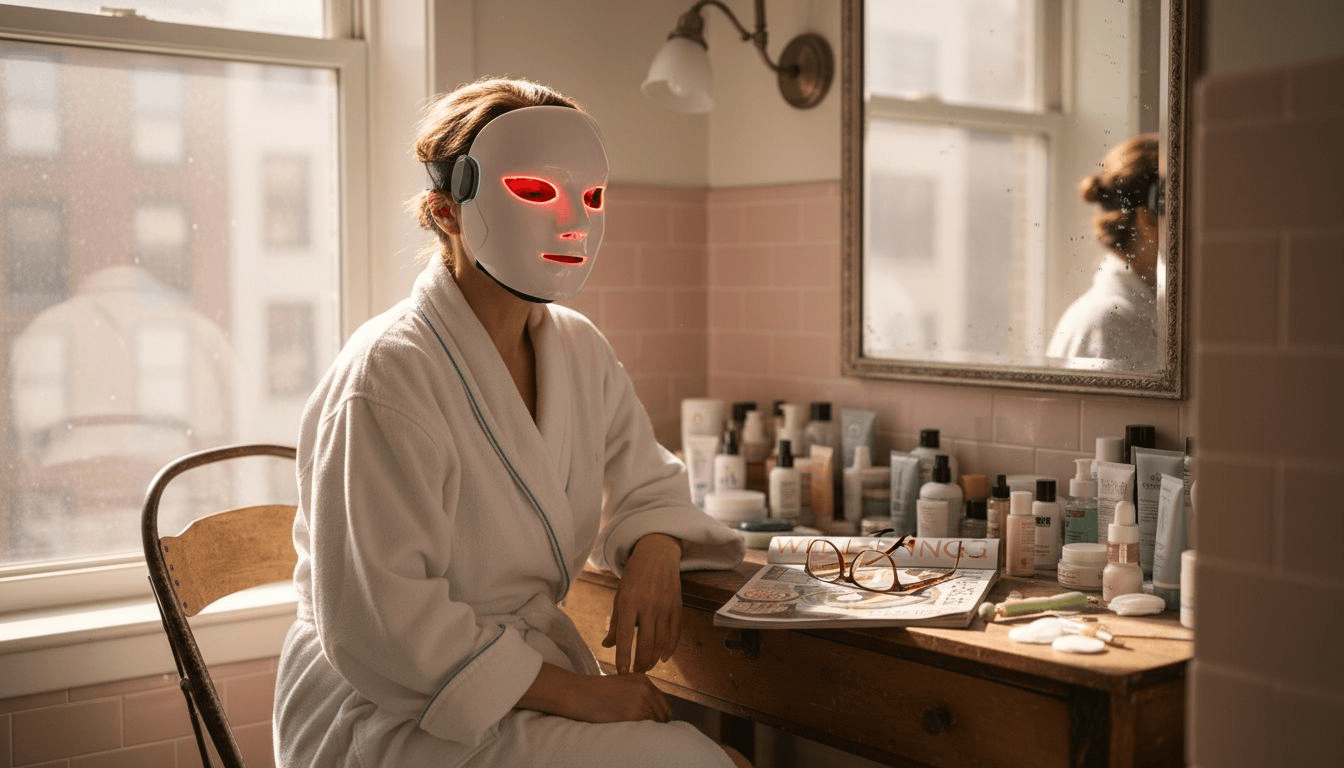
Choosing the right at-home anti-aging device can feel overwhelming when faced with dozens of options promising younger-looking skin. LED masks, radiofrequency tools, microcurrent devices, electroporation gadgets, and multi-tech wands each use different technologies to target wrinkles, firmness, and tone. This guide breaks down key evaluation criteria, highlights popular device examples with their specific features, compares technologies side by side, and provides a decision framework to help you select the best anti-aging device for your unique skin goals and lifestyle in 2026.
Table of Contents
- How To Evaluate At-Home Anti-Aging Devices: Selection Criteria
- Popular Anti-Aging Device Examples And Their Features
- Comparing Top Anti-Aging Devices: Technology, Benefits, And Considerations
- Situational Recommendations: Choosing The Right Anti-Aging Device For You
- Discover Premium Anti-Aging Devices At Velmora
Key takeaways
| Point | Details |
|---|---|
| Multiple technologies available | Anti-aging devices use LED light therapy, radiofrequency, microcurrent, electroporation, and combination approaches to address different skin concerns. |
| Selection criteria matter | Evaluate devices based on your skin type, primary concerns, treatment frequency, ease of use, safety features, and budget before purchasing. |
| Popular examples span categories | LED masks boost collagen, RF devices tighten skin, microcurrent tools sculpt contours, electroporation enhances serum absorption, and multi-tech wands combine benefits. |
| Comparison reveals trade-offs | Each device type offers distinct advantages and limitations in treatment time, intensity, price, and results that match different user needs. |
| Personalized choice drives results | Matching device technology to your specific skin goals, available time, and budget optimizes satisfaction and visible anti-aging outcomes. |
How to evaluate at-home anti-aging devices: selection criteria
Before investing in any anti-aging device, identify your primary skin concerns. Are you targeting fine lines around your eyes, loss of firmness along your jawline, or uneven skin tone across your cheeks? Different technologies address different issues, so clarity on your goals prevents costly mismatches.
Understanding the core technologies helps you make informed choices. LED devices use specific light wavelengths to stimulate collagen production and reduce inflammation. Radiofrequency tools deliver controlled heat to deeper skin layers, triggering elastin and collagen remodeling for tightening effects. Microcurrent devices send gentle electrical pulses to facial muscles, improving tone and contour. Electroporation creates temporary channels in skin cells to boost serum penetration. Multi-tech wands combine several of these approaches in one device for comprehensive treatment.
Safety and ease of use rank high for at-home devices. Look for FDA-cleared or dermatologist-recommended options with clear instructions, automatic shut-off features, and adjustable intensity levels. Devices should feel comfortable during use and require minimal setup. Treatment frequency varies by technology, with most devices recommending three to five sessions per week lasting five to twenty minutes each. Consider whether you can realistically commit to this schedule.
Price reflects both technology sophistication and durability. Entry-level LED masks start around $100, while premium multi-tech wands can exceed $500. Evaluate warranty coverage, replacement part availability, and brand reputation. A higher upfront cost may deliver better long-term value if the device lasts years and reduces the need for professional treatments. Check customer reviews specifically about device longevity and customer service responsiveness before committing to premium beauty devices.
Pro Tip: Start with one device targeting your primary concern rather than buying multiple tools at once. Master the treatment routine and assess results over eight to twelve weeks before adding complementary technologies.
Popular anti-aging device examples and their features
Common at-home anti-aging devices include LED masks, RF devices, microcurrent tools, electroporation devices, and multi-tech wands, each offering distinct benefits for skin rejuvenation. These examples represent current market leaders that combine proven technology with user-friendly design.
LED masks deliver light therapy through panels covering the entire face or specific zones. Red light wavelengths penetrate skin to boost collagen synthesis and accelerate cellular repair, reducing fine lines and improving texture. Blue light targets acne-causing bacteria for clearer skin. Masks typically require 10 to 20 minute sessions and show visible improvements after consistent use over several weeks. Popular models include hands-free designs that let you multitask during treatment, making them ideal for busy schedules.
Radiofrequency devices use electromagnetic energy to heat deeper skin layers without damaging the surface. This controlled heating stimulates fibroblasts to produce new collagen and elastin, resulting in firmer, tighter skin over time. RF tools work particularly well on the jawline, neck, and areas showing early sagging. Treatment sessions last 10 to 15 minutes per zone, and results build gradually with regular use. Some devices combine RF with other technologies for enhanced effects.
Microcurrent tools deliver low-level electrical currents that mimic the body's natural bioelectricity. These currents stimulate facial muscles, improving tone and creating a lifted appearance. Microcurrent therapy also enhances cellular energy production and circulation, supporting overall skin health. Devices like the NuFace Trinity+ feature ergonomic designs with conductive gel requirements for optimal current delivery. Users typically see immediate subtle lifting that becomes more pronounced with consistent treatment.
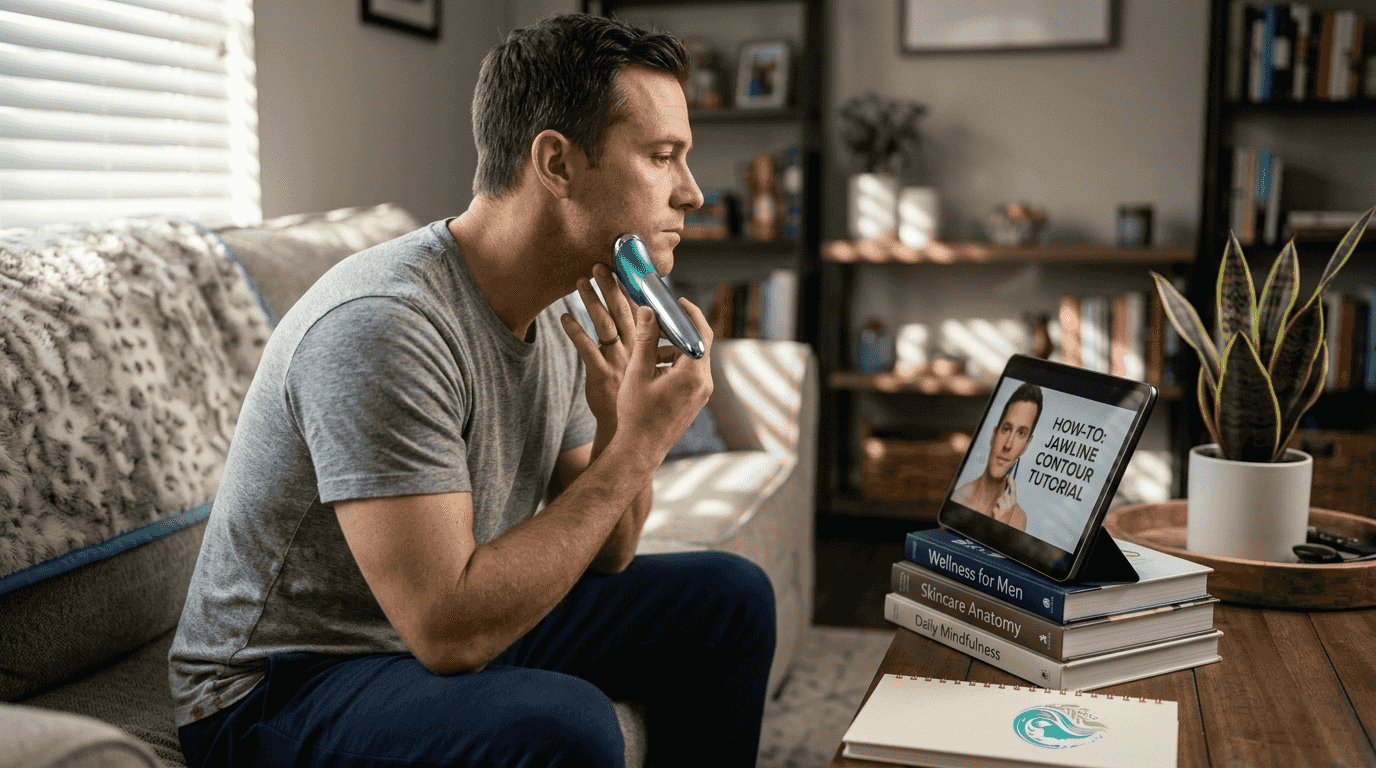
Electroporation devices create temporary micropathways in skin cells using electrical pulses, dramatically increasing absorption of serums and active ingredients. This technology allows anti-aging compounds like hyaluronic acid, peptides, and antioxidants to penetrate deeper than topical application alone. The Medicube Age-R Booster Pro exemplifies this category with multiple intensity settings and compatibility with various skincare formulations. Sessions take just five minutes but maximize the effectiveness of your existing products.
Multi-tech wands integrate several technologies into one handheld device, offering versatile treatment options. These tools might combine RF, LED, microcurrent, and electroporation modes that you can switch between based on your daily skin needs. The REVA and FOREO FAQ 402 represent this category with intuitive controls and compact designs. While more expensive, multi-tech devices eliminate the need to purchase separate tools and simplify your beauty devices and skincare routine.
Comparing top anti-aging devices: technology, benefits, and considerations
Device examples and their technologies reflect 2026 market offerings that balance effectiveness with home-use safety. A structured comparison reveals how each device type serves different priorities and skin goals.
| Device Type | Technology | Treatment Time | Primary Benefits | Price Range | Best For | | --- | --- | --- | --- | --- | | LED Masks | Light therapy | 10-20 min | Collagen boost, reduced inflammation, improved tone | $100-$400 | All skin types, anti-aging beginners, multitaskers | | RF Devices | Radiofrequency heating | 10-15 min per zone | Skin tightening, elastin production, firmness | $200-$500 | Sagging skin, jawline definition, neck treatment | | Microcurrent Tools | Electrical muscle stimulation | 5-15 min | Facial contouring, muscle tone, immediate lift | $200-$400 | Loss of definition, special events, maintenance | | Electroporation Devices | Pulse technology | 5-10 min | Enhanced serum absorption, deeper ingredient delivery | $150-$350 | Maximizing skincare investment, targeted concerns | | Multi-Tech Wands | Combined technologies | 10-20 min | Comprehensive treatment, multiple concerns, versatility | $400-$700 | Advanced users, multiple concerns, space savers |
Each technology offers distinct advantages. LED masks provide the gentlest option with virtually no contraindications, making them ideal for sensitive skin or those new to at-home devices. The hands-free design allows you to read, work, or relax during treatment. However, results take longer to appear compared to more intensive technologies, requiring patience and consistency.
RF devices deliver more dramatic tightening results but require careful technique to avoid uneven heating or discomfort. They work best on areas with mild to moderate laxity rather than severe sagging. Some users find the warming sensation pleasant, while others need time to adjust. Always use the recommended conductive gel and follow manufacturer guidelines on treatment frequency to prevent overuse.
Microcurrent tools offer immediate visible lifting that makes them popular before important events, but the effect is temporary without regular maintenance sessions. The technology requires conductive gel and proper contact with skin throughout treatment. Learning the correct gliding motions and pressure takes practice. Results compound over time as muscles develop better tone, similar to facial exercise effects.
Electroporation devices multiply the effectiveness of your existing skincare products, making them cost-efficient if you already invest in quality serums. They pair especially well with peptides, growth factors, and hyaluronic acid formulations. However, they require you to own or purchase compatible serums, adding to the overall investment. Not all ingredients benefit equally from enhanced penetration, so research which actives work best with this technology.
Multi-tech wands eliminate device clutter and offer the most flexibility for addressing changing skin needs. You can use RF mode for tightening one day, switch to LED for calming the next, and add microcurrent for special occasions. The learning curve is steeper since you need to understand multiple functions. Price represents the main barrier, though the combined value often exceeds buying separate devices. Consider your commitment level and whether you'll actually use all available modes before investing in skin care device options.
Pro Tip: Integrate device treatments into your existing skincare routine by using them after cleansing but before applying serums and moisturizers. This timing maximizes absorption and ensures clean skin for optimal device contact.
Situational recommendations: choosing the right anti-aging device for you
Match your device selection to your primary skin concern for optimal results. If fine lines and wrinkles dominate your worries, LED masks provide proven collagen-boosting benefits with minimal risk. For loss of firmness and sagging, RF devices or microcurrent tools deliver more targeted tightening effects. When uneven tone or texture is your main issue, LED therapy again leads the category, while electroporation devices help if you want to supercharge your brightening serums.
Budget considerations extend beyond the initial purchase price. Factor in replacement parts like conductive gels, LED bulb lifespan, and compatible serums for electroporation devices. Entry-level options under $200 work well for testing whether at-home devices fit your lifestyle before upgrading. Mid-range devices from $200 to $400 often provide the best balance of quality and affordability. Premium multi-tech wands above $400 make sense if you have multiple concerns and prefer one comprehensive tool.
Your available time and commitment level significantly impact device success. Busy professionals might prefer quick five-minute electroporation sessions or hands-free LED masks that allow multitasking. Those with more flexible schedules can dedicate 15 to 20 minutes to methodical RF or microcurrent treatments requiring focused attention. Be honest about your consistency, since sporadic use delivers disappointing results regardless of device quality.
Testing devices safely before full investment protects both your skin and wallet. Many brands offer 30 to 60 day return policies that let you assess comfort, ease of use, and early results. Start with the lowest intensity settings and gradually increase as your skin adapts. Watch for any irritation, excessive redness, or discomfort that persists beyond the immediate post-treatment period. Document your skin with photos every two weeks to objectively track changes.
Consult a dermatologist before using at-home devices if you have active skin conditions like rosacea, eczema, or severe acne. Pregnant women should avoid RF and microcurrent technologies due to limited safety data. Combining professional treatments with at-home devices often delivers superior results, with in-office procedures providing intensive correction and home devices maintaining improvements. Your dermatologist can recommend which technologies complement your professional treatment plan and suggest optimal timing for each. Custom skincare solutions work best when professional guidance and quality home devices align with your specific needs and goals, as expert device advice confirms.
Discover premium anti-aging devices at Velmora
Velmora specializes in advanced beauty technology that brings professional-grade skin care into your home. Our curated selection features cutting-edge anti-aging devices incorporating LED therapy, microcurrent stimulation, and multi-technology approaches designed for safety and effectiveness. Each device in our collection meets rigorous quality standards and comes with comprehensive usage guidance to help you achieve your skin goals confidently.
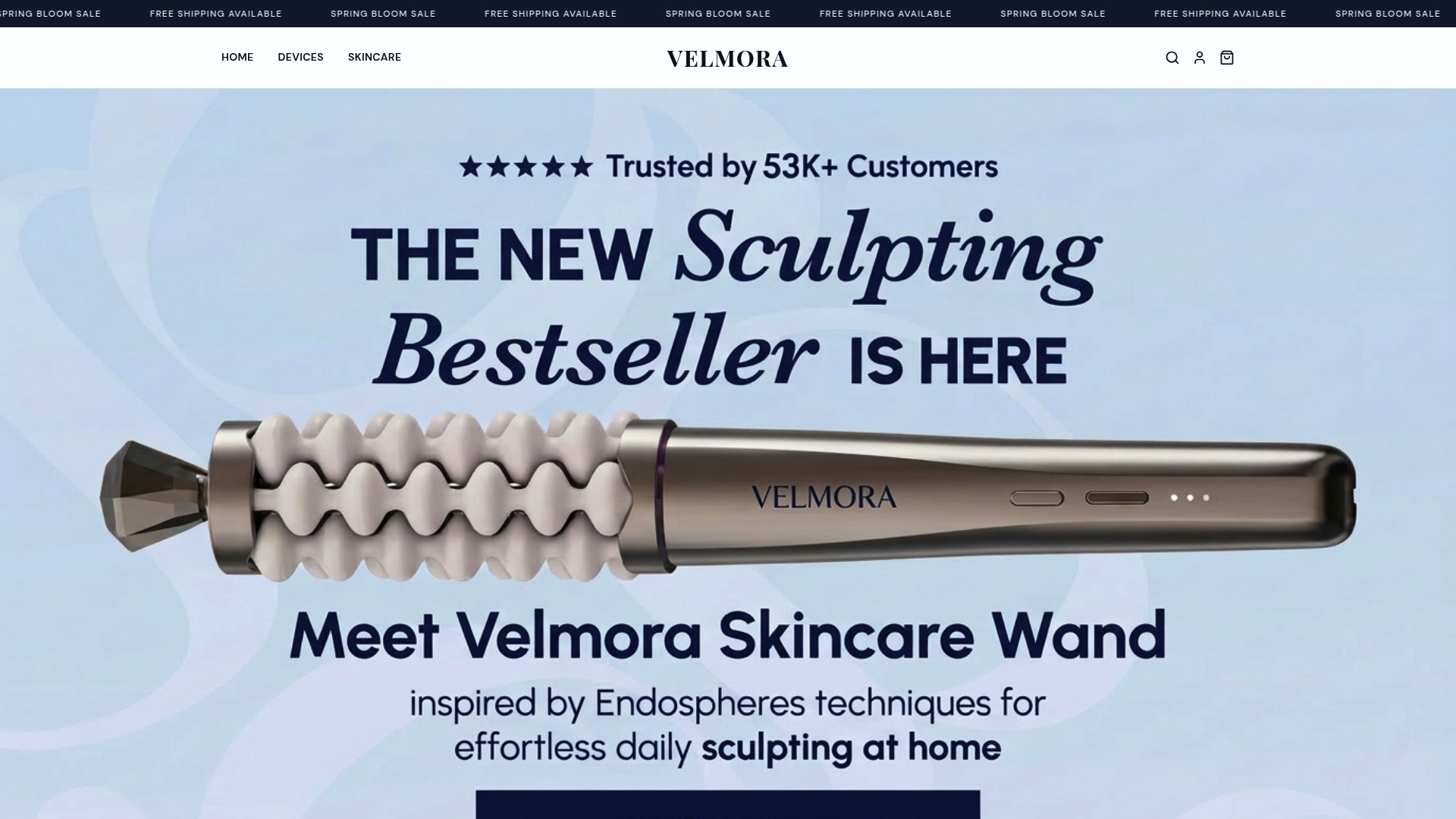
Whether you're targeting fine lines, loss of firmness, or overall skin rejuvenation, Velmora offers user-friendly tools that fit seamlessly into your daily routine. We provide detailed product information, responsive customer support, and worldwide shipping to ensure you have everything needed for successful at-home treatments. Explore our range of Velmora premium beauty devices and skincare to find the perfect solution for your anti-aging journey in 2026.
FAQ
Which anti-aging device is best for sensitive skin?
LED masks are often gentler and suitable for sensitive skin because they use non-invasive light therapy without heat or electrical stimulation. Start with shorter sessions at lower intensities and always patch test on a small area first. Avoid high-intensity RF or electroporation devices without dermatologist advice, as these technologies can cause irritation or inflammation in reactive skin types.
How often should I use at-home anti-aging devices?
Most devices recommend three to five sessions per week with treatment times ranging from five to twenty minutes depending on the technology. Consistency matters more than frequency, so establish a sustainable routine you can maintain long-term. Overuse can cause irritation, redness, or diminished results, so always follow manufacturer instructions carefully and give your skin rest days between intensive treatments.
Can anti-aging devices replace professional treatments?
At-home devices supplement but don't fully replace professional treatments performed by dermatologists or licensed aestheticians. Professional procedures use higher energy levels and advanced techniques that deliver more dramatic results for severe aging concerns. However, home devices excel at maintaining professional treatment outcomes and addressing mild to moderate concerns. Consult a dermatologist for severe sagging, deep wrinkles, or when considering advanced procedures like laser resurfacing.
Are multi-tech wands worth the investment?
Multi-tech wands provide versatile benefits and may offer better results for comprehensive care since they address multiple skin concerns with one device. They eliminate the need to purchase separate tools and simplify your skincare routine. However, they tend to be costlier, typically ranging from $400 to $700, and require learning multiple functions to use effectively. Consider whether you'll actually utilize all available modes and if the combined value exceeds buying individual devices targeting your specific primary concerns.